
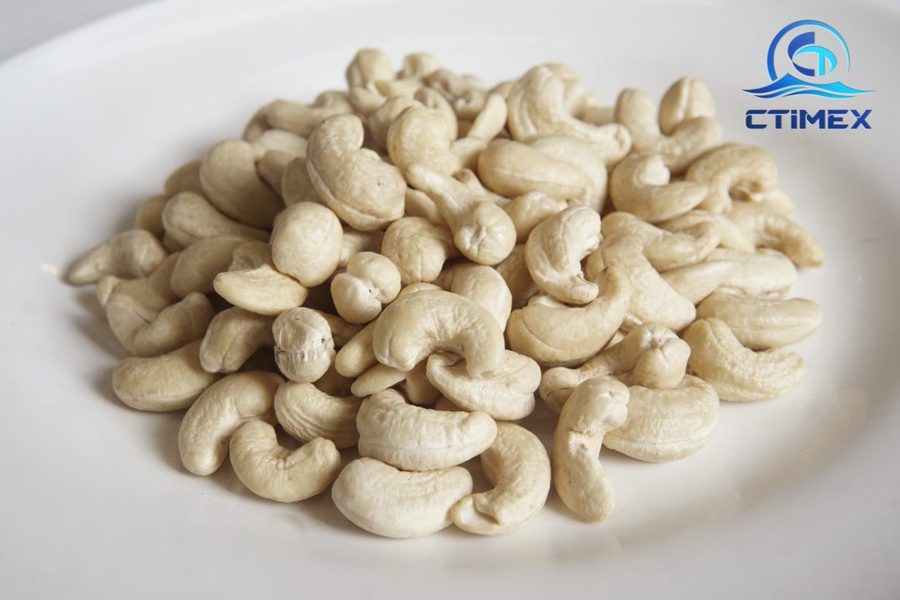
Raw cashew kernels
All grades are processed and graded at our factory and packed in vacuum bags or tins.
265–395 / kg
440–465 / kg
485–530 / kg
660–706 / kg
880–990 / kg
Whole kernels by count per pound
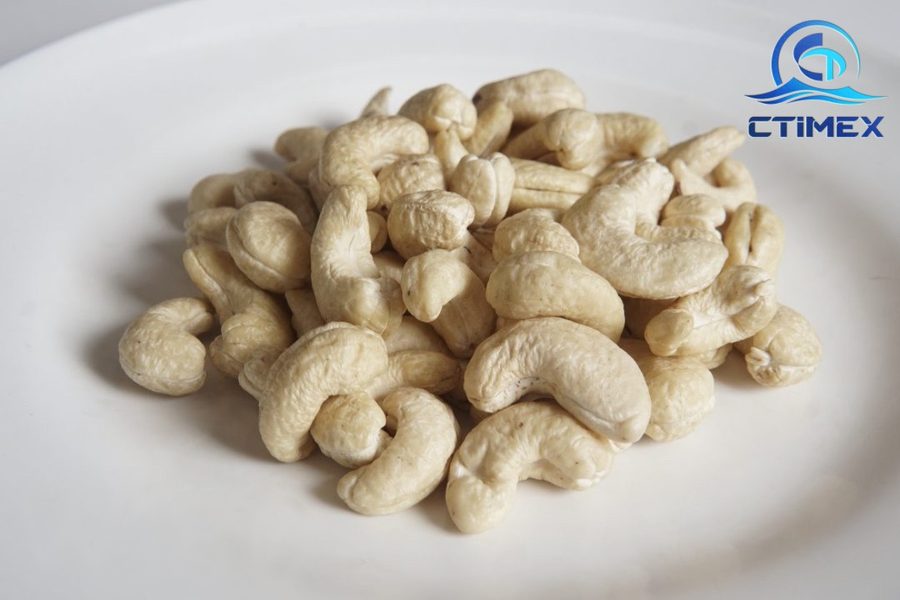
W180King size
120–180 kernels per lb · 265–395 per kg
View details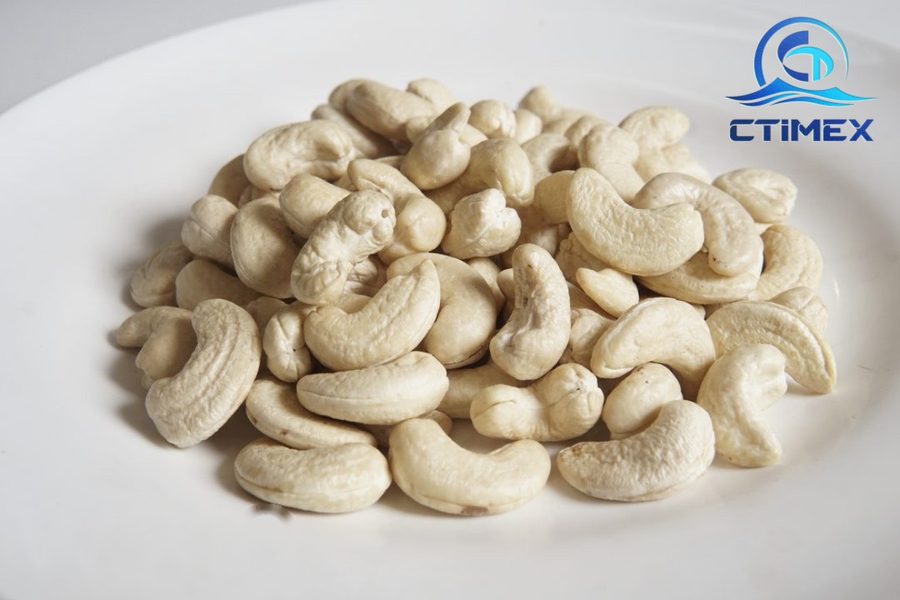
W210Jumbo
200–210 kernels per lb · 440–465 per kg
View details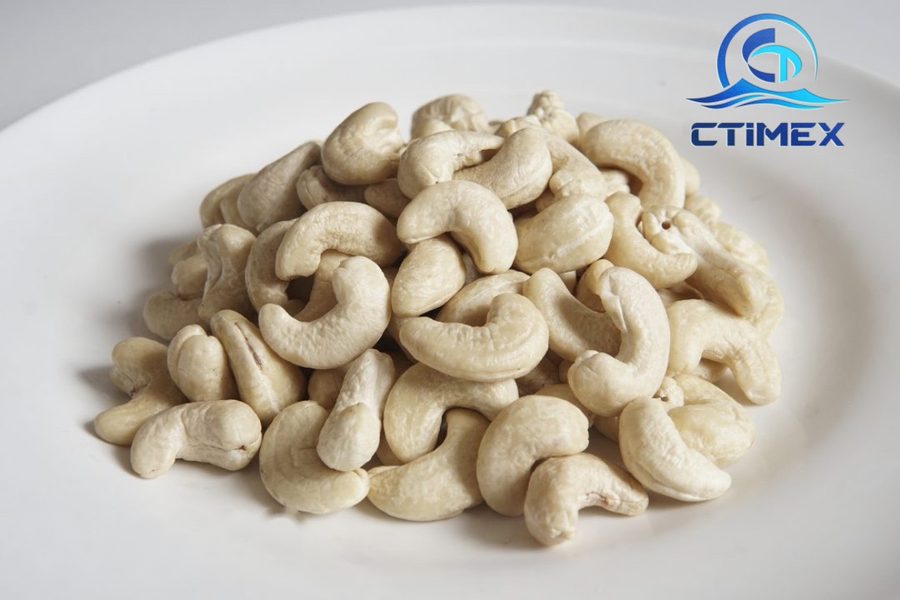
W240Large
220–240 kernels per lb · 485–530 per kg
View detailsW320Standard
300–320 kernels per lb · 660–706 per kg
View details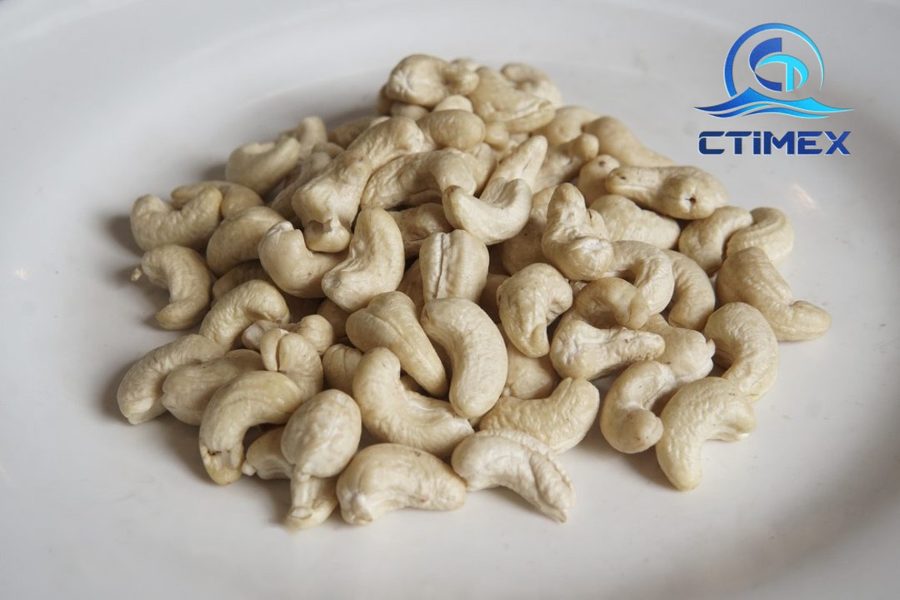
W450Small
400–450 kernels per lb · 880–990 per kg
View detailsWhite butts, splits and pieces
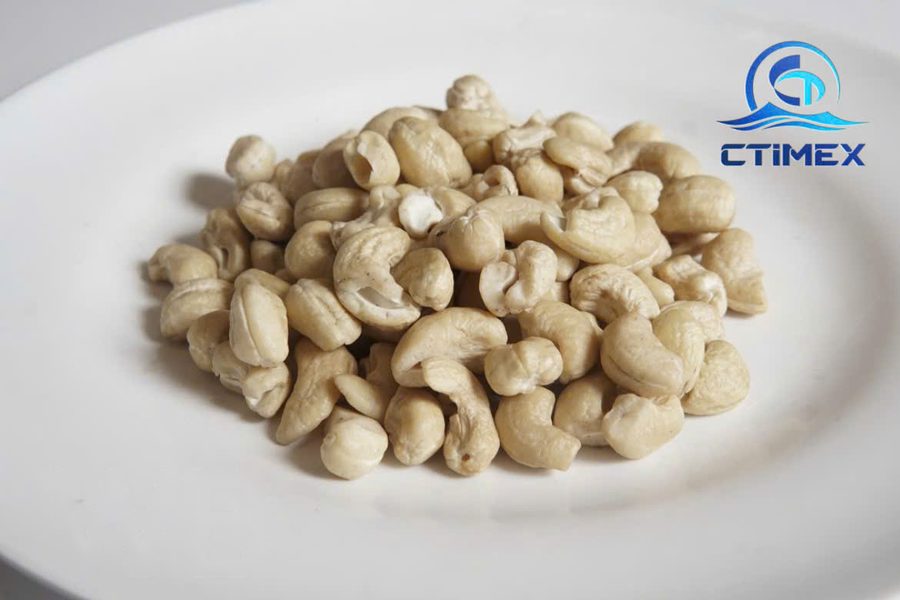
WBWhite butts
Kernels broken crosswise, 3/8 to 7/8 of a whole kernel.
View details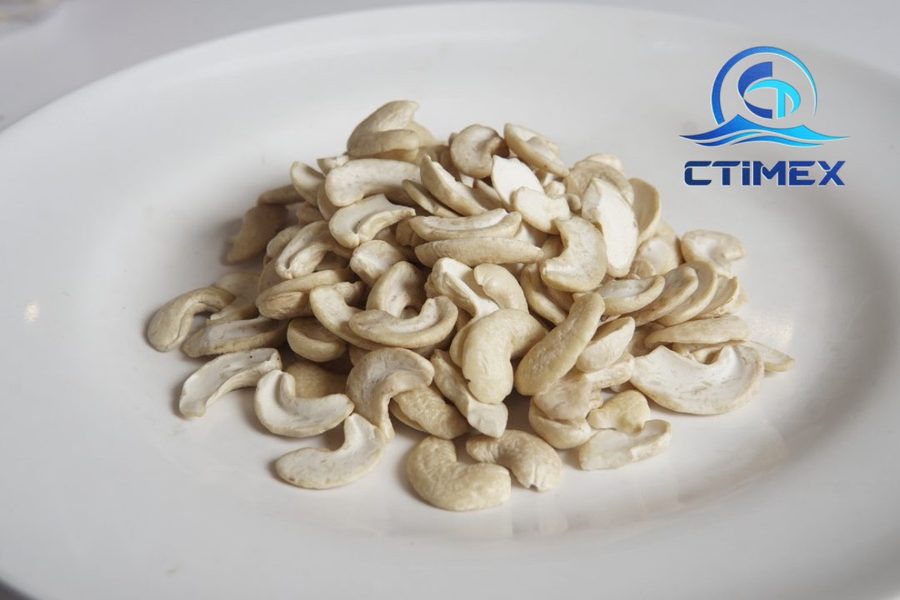
WSWhite splits
Kernels split naturally along the length.
View details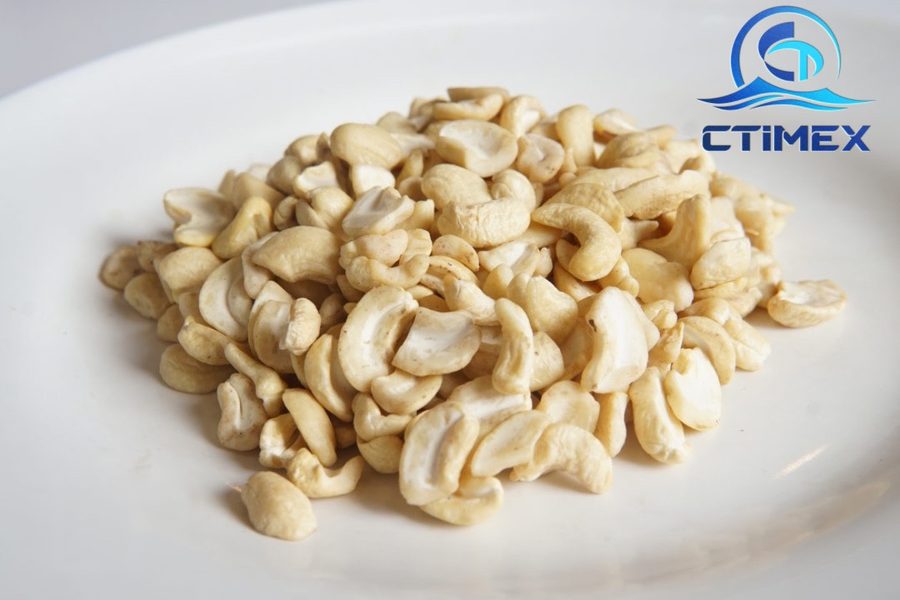
LPLarge pieces (LWP)
White pieces passing an 8.0 mm sieve, retained on 4.75 mm.
View details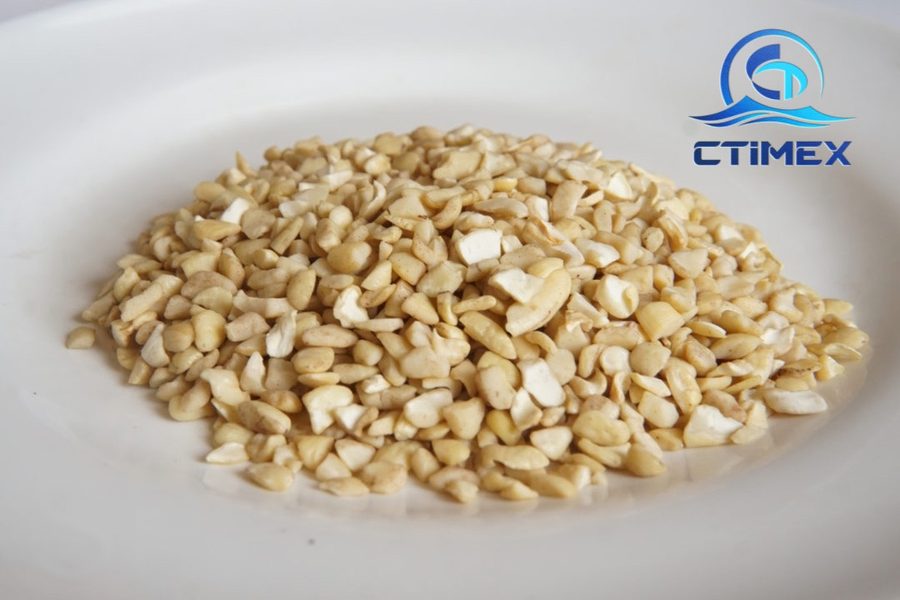
SPSmall pieces (SWP)
White pieces passing 4.75 mm, retained on 2.80 mm.
View details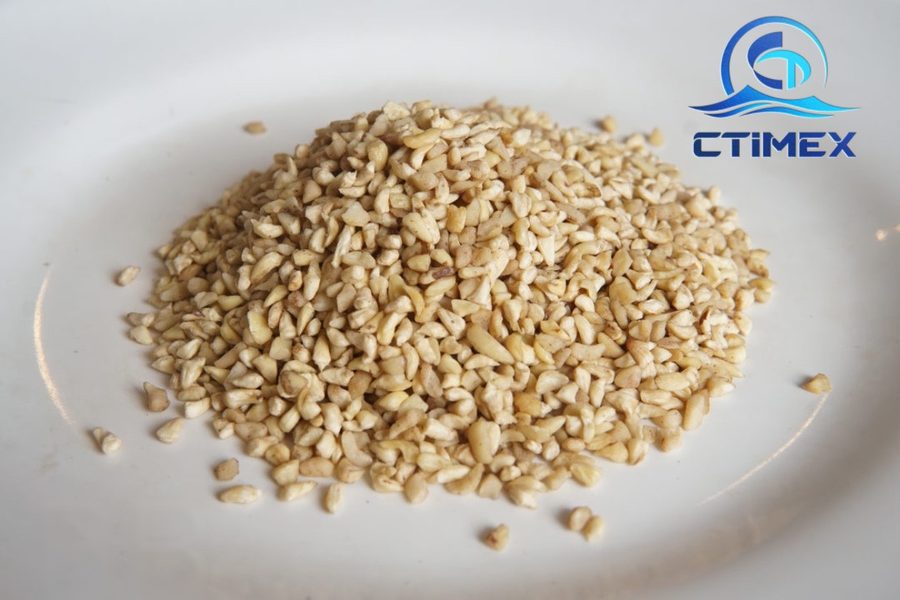
BBBaby bits
Smallest white pieces, passing 2.80 mm, retained on 1.70 mm.
View detailsLight brown and scorched kernels: LBW, SW, SB, SS
Kernels with a light tint, light speckles or a scorched colour from heat, as wholes (LBW, SW), butts (SB) or splits (SS), priced below white grades. Popular for roasting and flavoured snacks.
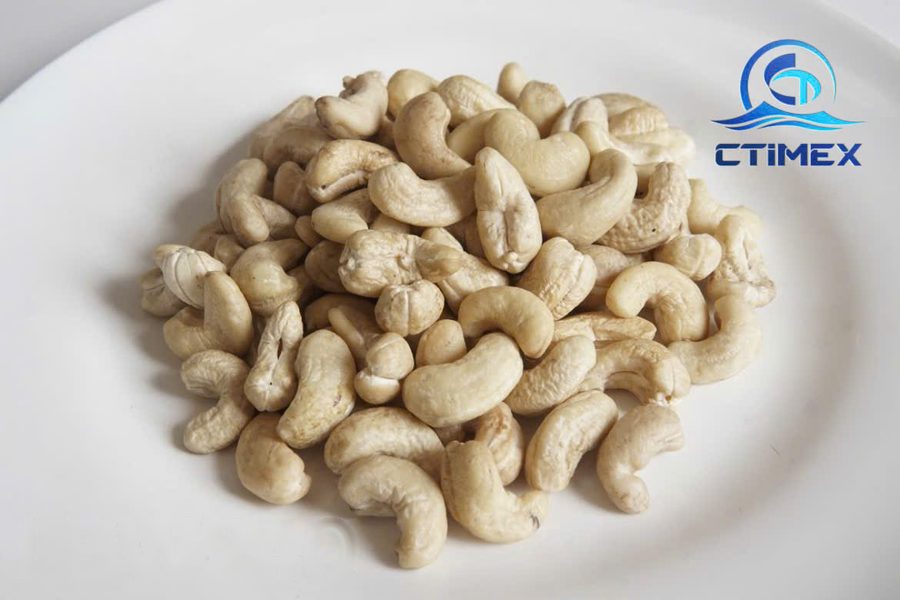
LBW240Light brown, large
220–240 kernels per lb · 485–530 per kg
View details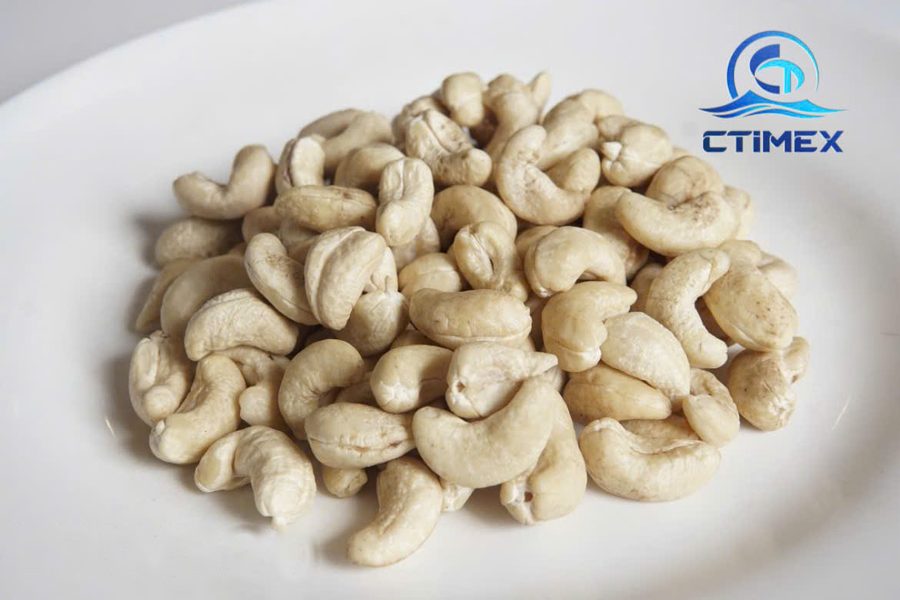
LBW320Light brown, standard
300–320 kernels per lb · 660–705 per kg
View details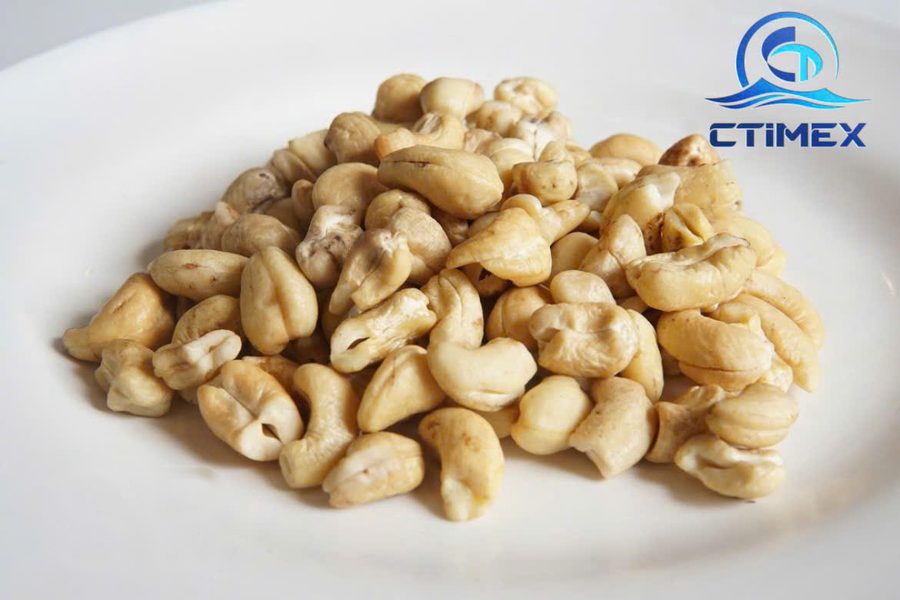
SBScorched butts
Scorched butts: broken crosswise, yellow to light brown.
View detailsAlso in this group
- LBW450Light brown, small400–450 kernels per lb · 880–990 per kgView details
- SW240Scorched wholes, large220–240 kernels per lb · 485–530 per kgView details
- SW320Scorched wholes, standard300–320 kernels per lb · 660–705 per kgView details
- SW450Scorched wholes, small400–450 kernels per lb · 880–990 per kgView details
- SW2Scorched wholes, secondDeeper scorched wholes: deep yellow, brown or ash grey.View details
- SSScorched splitsScorched splits: split lengthwise, yellow to light brown.View details
Kernels with spots: SL and SK1 to SK4
Kernels with spots or marks. SL has light-coloured spots; the SK grades, traded as scorched kernels, run from SK1 with the fewest dark spots to SK4 with the most. Spot limits for each grade are agreed on an approved sample.
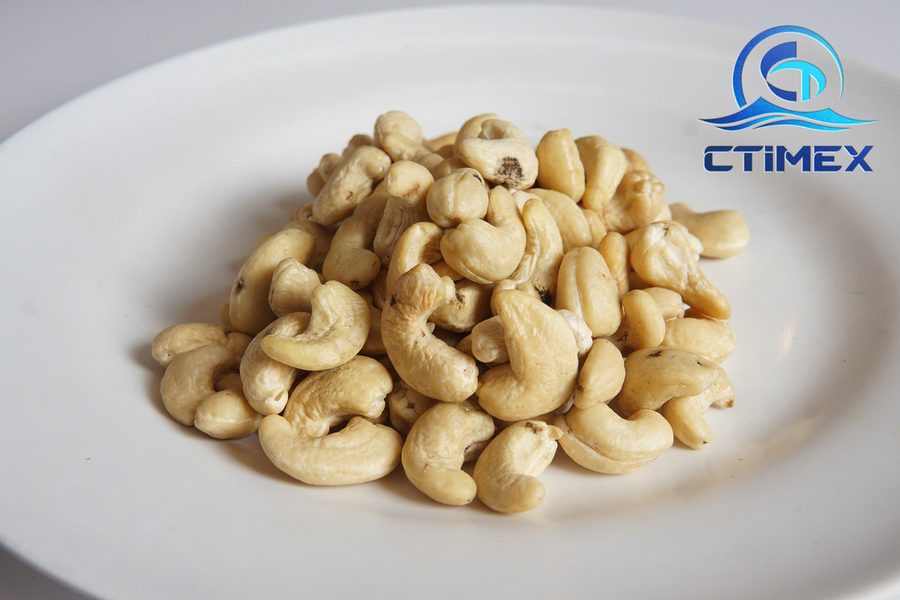
SK1Few small spots
Ivory to light yellow, a few small dark spots.
View details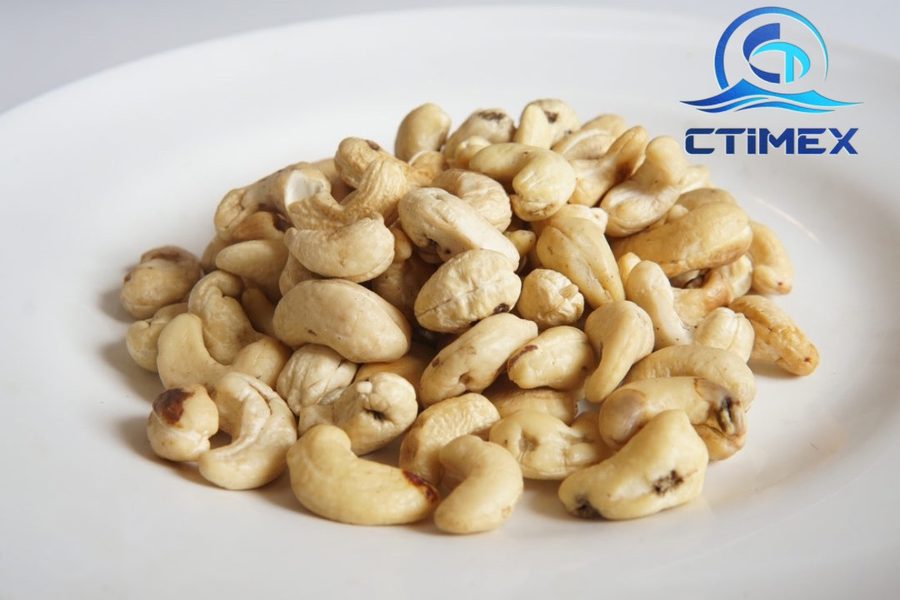
SK2Light spotting
More visible spots or light streaks than SK1.
View details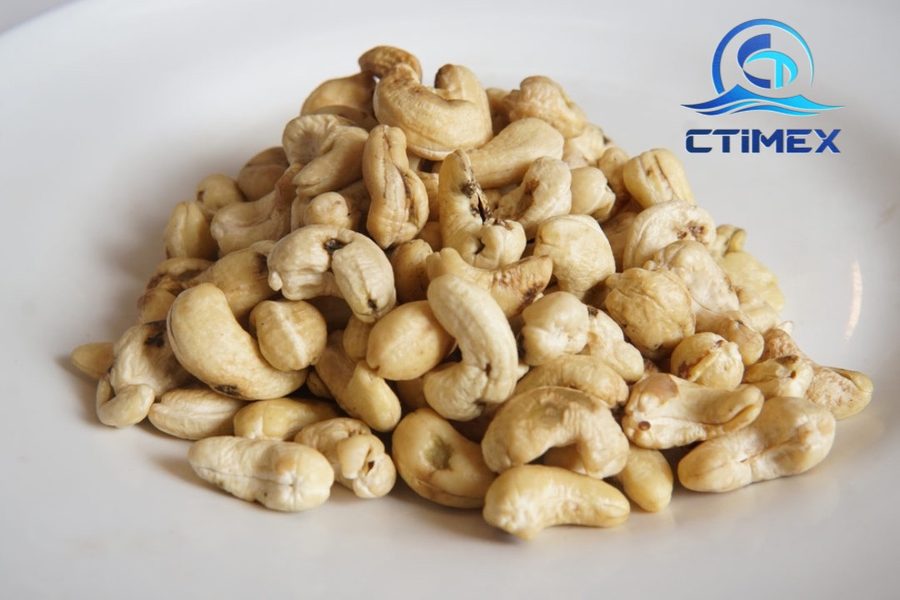
SK3Heavier spotting
More and larger spots, deeper yellow tone.
View details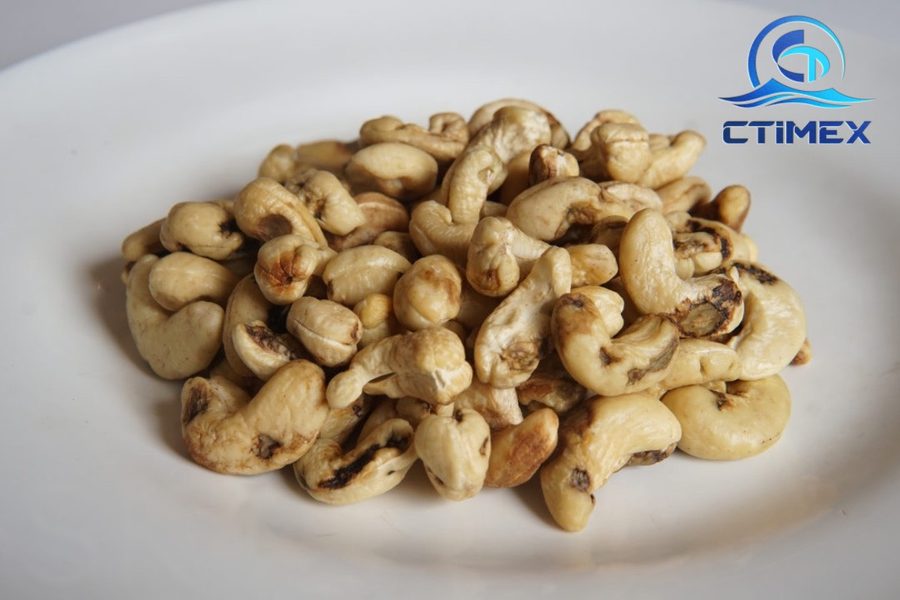
SK4Heaviest spotting
Heaviest spotting, for processing.
View detailsAlso in this group
Dessert wholes: DW, DW1–DW3 and DWT1–DWT3
Whole kernels with deeper colour, speckles, blemishes or light scrapes. DW to DW3 are graded by how much of the kernel is affected; DWT1 to DWT3 are W210–W450 sizes graded by colour. For roasting, grinding and food manufacturing.
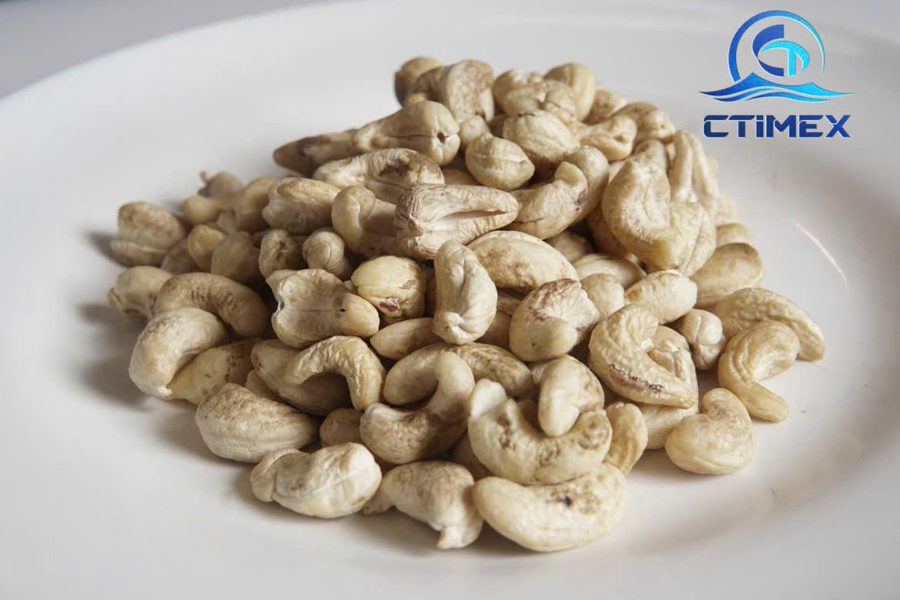
DWDessert wholes
Dessert wholes: deep yellow, brown, amber or blue tones.
View details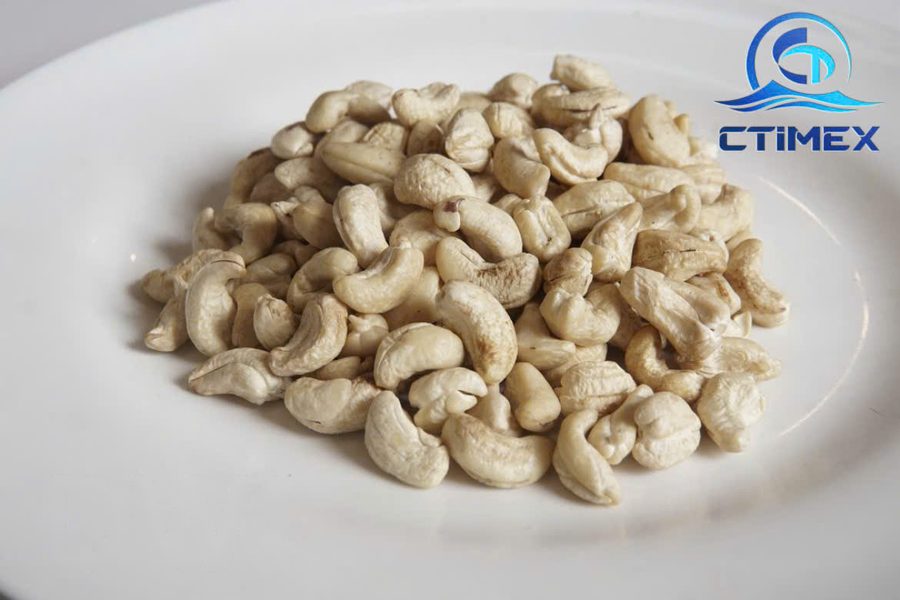
DW1Light speckling
Dessert wholes with light speckles on part of the surface.
View details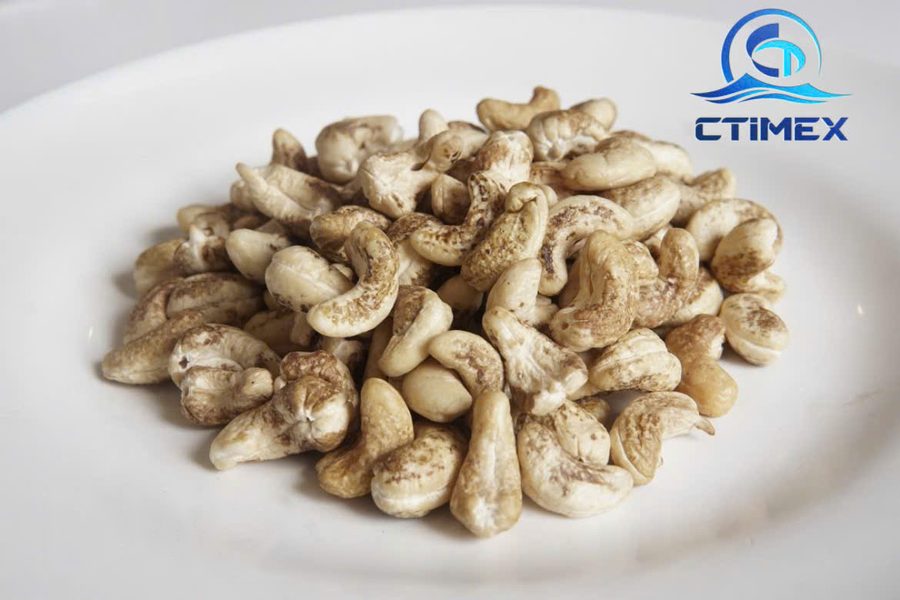
DW2Medium speckling
Dessert wholes with brown speckles over a larger area.
View details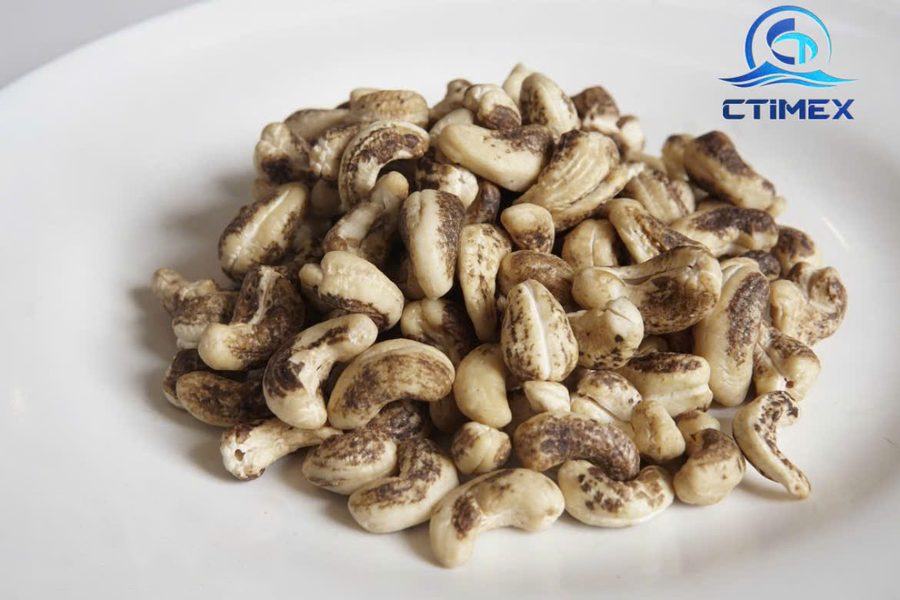
DW3Heavy speckling
Dessert wholes with heavy dark speckling.
View detailsAlso in this group
Underdeveloped and wrinkled kernels: TPN, TPW, TP, TP2, TPS
Kernels that did not fully develop, so they are wrinkled or shrivelled. Graded by colour and form and sold on an approved sample for roasting, grinding and food manufacturing.
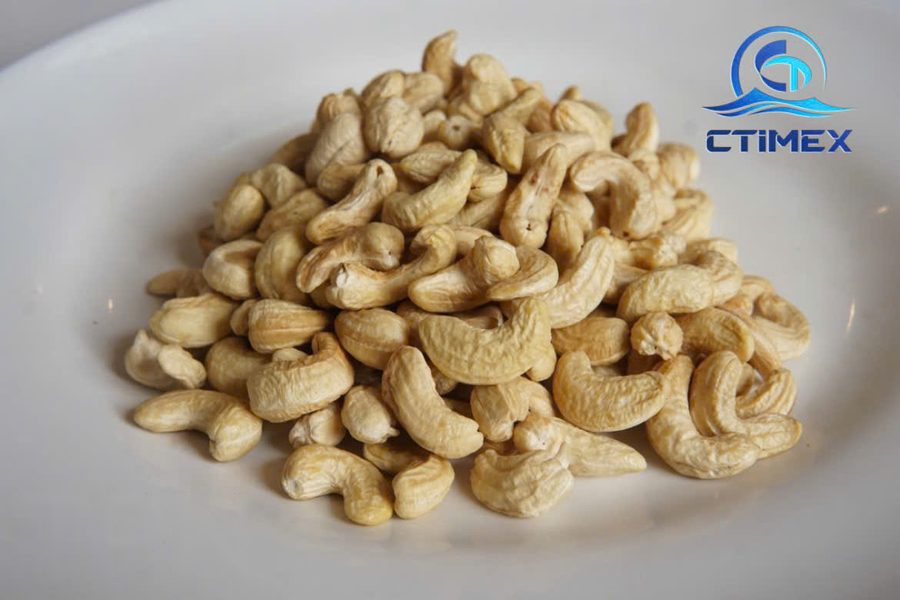
- TPWWhite, underdevelopedUnderdeveloped wholes, white to pale ivory.View details
- TPYellow, underdevelopedUnderdeveloped wholes, yellow to light brown.View details
- TP2Deep yellow, underdevelopedUnderdeveloped wholes, deep yellow or deep ivory.View details
- TPSUnderdeveloped splitsUnderdeveloped kernels split lengthwise.View details
White wholes with knife marks: WCUT and W320 Scrape
White whole kernels marked by the cutting knife during shelling. W320 Scrape has light scratches under 5 mm; WCUT has longer or deeper cuts. Both are priced below white wholes.
Roasted salted cashews with skin
Whole kernels with their natural reddish-brown skin, salted and roasted in our own workshop, in three sizes: A180, A240 and A320. Skinless roasted salted cashews are available on request.
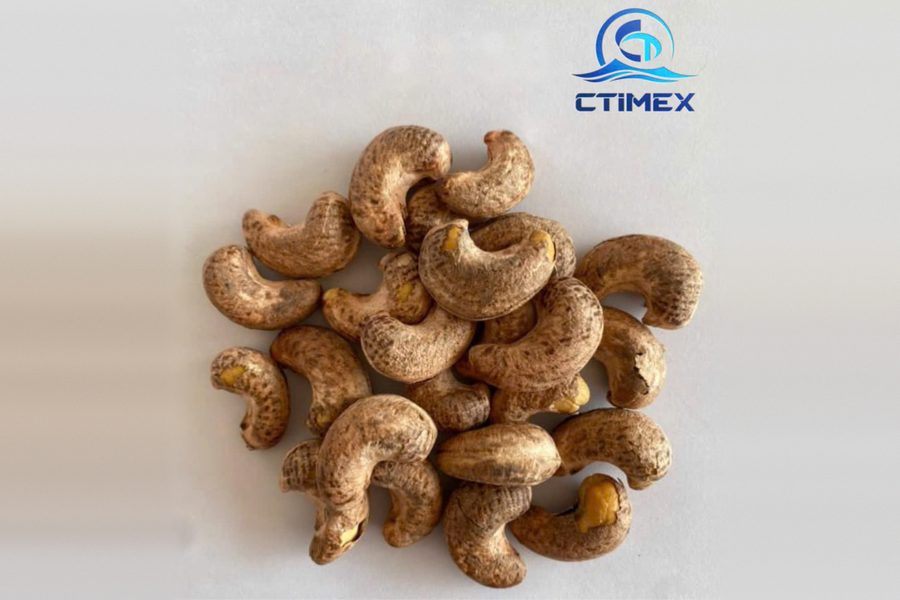
A180Roasted salted, about 180 / lb
Roasted salted whole kernel with skin. 180 kernels per lb.
View details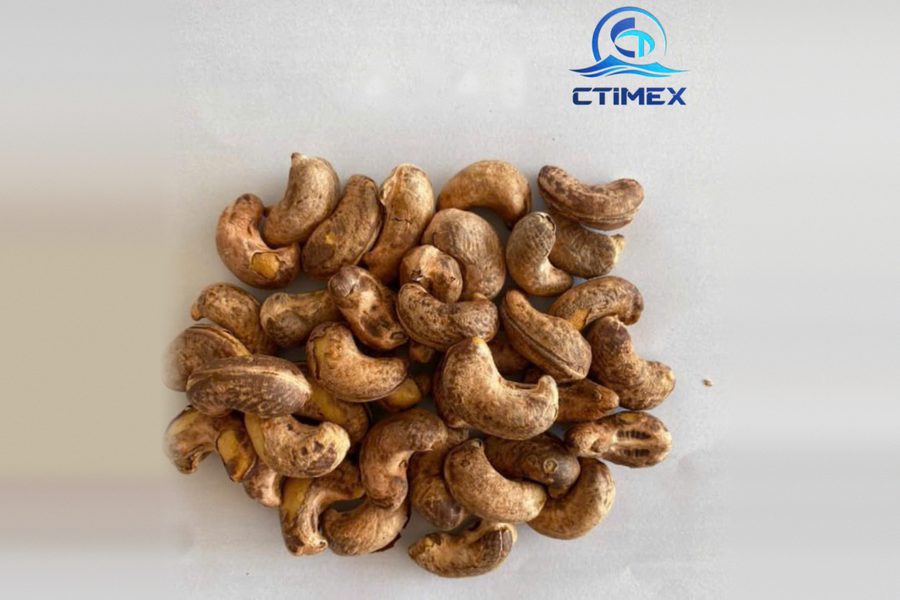
A240Roasted salted, about 240 / lb
Roasted salted whole kernel with skin. 240 kernels per lb.
View details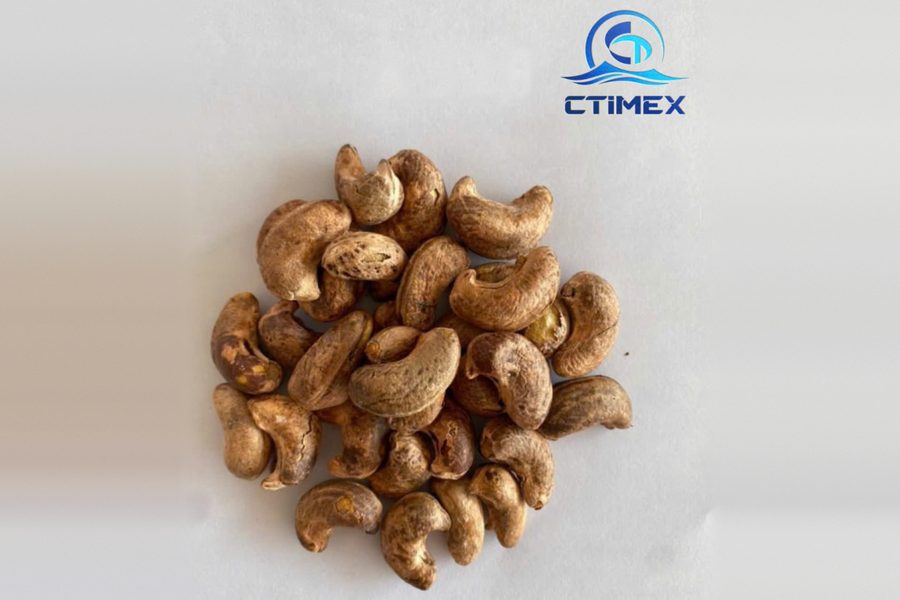
A320Roasted salted, about 320 / lb
Roasted salted whole kernel with skin. 320 kernels per lb.
View detailsRoasted in our own workshop
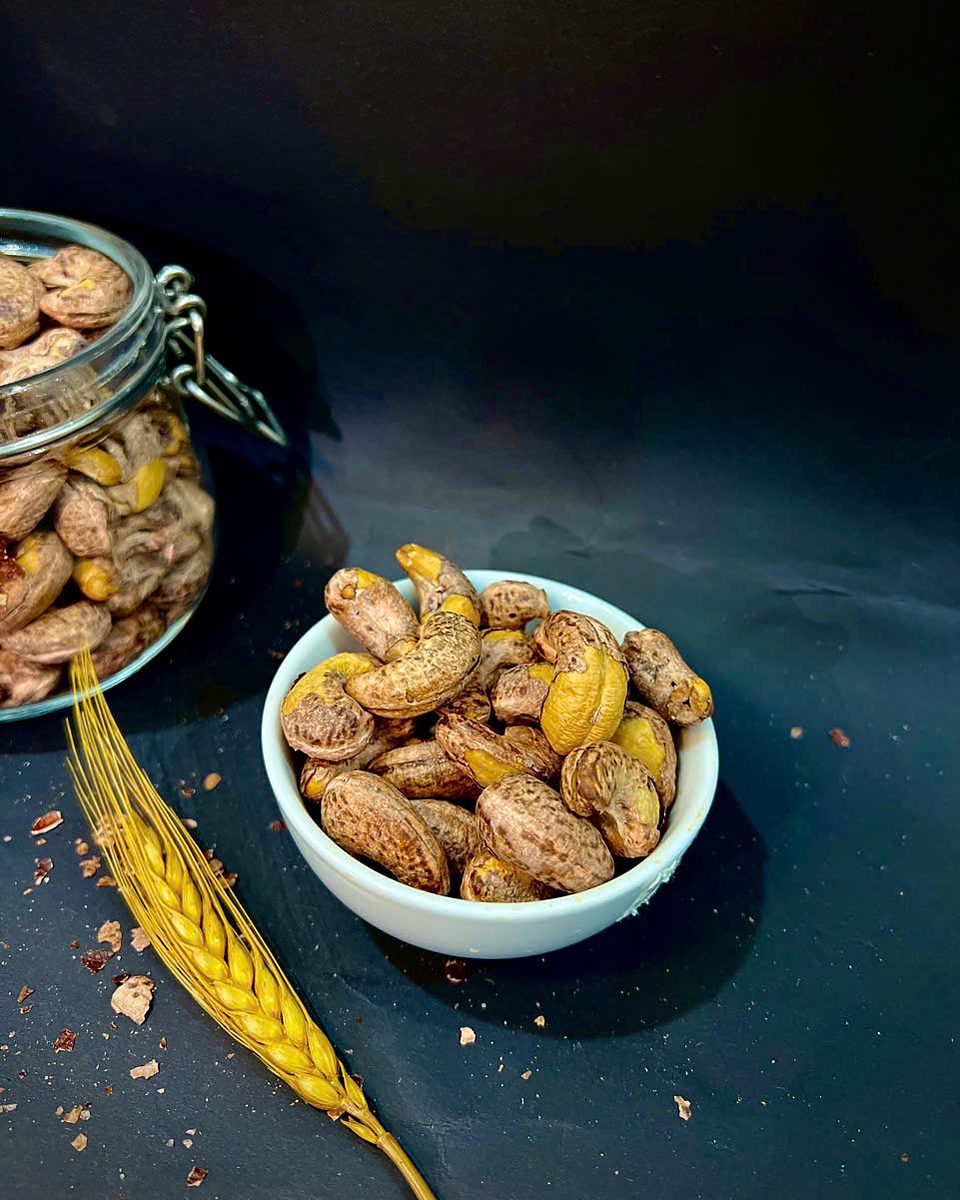
Cashews salted and roasted in our own workshop, with skin or skinless. Watch how each batch is made.
- Whole kernels with skin in sizes A180, A240 and A320
- Skinless roasted salted kernels, sizes on request
- Roasted over a wood fire, cooled and sorted by hand
Grading standard
Grades follow AFI specifications and the Vietnamese national standard TCVN 4850:2010. Final specifications are agreed in each contract.
| Grade | Description | Kernels / lb | Kernels / kg |
|---|---|---|---|
| W180 | White whole, king size | 120–180 | 265–395 |
| W210 | White whole, jumbo | 200–210 | 440–465 |
| W240 | White whole, large | 220–240 | 485–530 |
| W320 | White whole, standard | 300–320 | 660–706 |
| W450 | White whole, small | 400–450 | 880–990 |
| WB | White butts. Kernels broken crosswise, 3/8 to 7/8 of a whole kernel. | – | – |
| WS | White splits. Kernels split naturally along the length. | – | – |
| LP | Large pieces (LWP). White pieces passing an 8.0 mm sieve, retained on 4.75 mm. | – | – |
| SP | Small pieces (SWP). White pieces passing 4.75 mm, retained on 2.80 mm. | – | – |
| BB | Baby bits. Smallest white pieces, passing 2.80 mm, retained on 1.70 mm. | – | – |
| LBW240 | Light brown whole: light tint or light brown speckles. | 220–240 | 485–530 |
| LBW320 | Light brown whole: light tint or light brown speckles. | 300–320 | 660–705 |
| LBW450 | Light brown whole: light tint or light brown speckles. | 400–450 | 880–990 |
| SW240 | Scorched whole: yellow to light brown from heat. | 220–240 | 485–530 |
| SW320 | Scorched whole: yellow to light brown from heat. | 300–320 | 660–705 |
| SW450 | Scorched whole: yellow to light brown from heat. | 400–450 | 880–990 |
| SW2 | Deeper scorched wholes: deep yellow, brown or ash grey. | – | – |
| SB | Scorched butts: broken crosswise, yellow to light brown. | – | – |
| SS | Scorched splits: split lengthwise, yellow to light brown. | – | – |
| SL | Light yellow to light brown, light spots over 1 mm. | – | – |
| SK1 | Ivory to light yellow, a few small dark spots. | – | – |
| SK2 | More visible spots or light streaks than SK1. | – | – |
| SK3 | More and larger spots, deeper yellow tone. | – | – |
| SK4 | Heaviest spotting, for processing. | – | – |
| DW | Dessert wholes: deep yellow, brown, amber or blue tones. | – | – |
| DW1 | Dessert wholes with light speckles on part of the surface. | – | – |
| DW2 | Dessert wholes with brown speckles over a larger area. | – | – |
| DW3 | Dessert wholes with heavy dark speckling. | – | – |
| DWT1 | W210–W450 dessert wholes, white to light ash, light scrapes. | – | – |
| DWT2 | W210–W450 dessert wholes, ash grey to yellow, light scrapes. | – | – |
| DWT3 | W210–W450 dessert wholes, brown to dark blue. | – | – |
| TPN | Whole kernels with a wrinkled surface, light yellow. | – | – |
| TPW | Underdeveloped wholes, white to pale ivory. | – | – |
| TP | Underdeveloped wholes, yellow to light brown. | – | – |
| TP2 | Underdeveloped wholes, deep yellow or deep ivory. | – | – |
| TPS | Underdeveloped kernels split lengthwise. | – | – |
| WCUT | White wholes with knife cuts over 5 mm. | ≤ 360 | ≤ 794 |
| W320 Scrape | W320 wholes with knife scratches under 5 mm. | ≤ 320 | ≤ 705 |
| A180 | Roasted salted whole kernel with skin | ≈ 180 | – |
| A240 | Roasted salted whole kernel with skin | ≈ 240 | – |
| A320 | Roasted salted whole kernel with skin | ≈ 320 | – |
General parameters: moisture max. 5%; kernels free from live insects, mould, rancidity and foreign matter. Specification sheets and samples are available on request.